|
Bonjour Reader,
|
|
Loire Valley isn't just for château weekends. It turns out, it's also an excellent place to retire — and Angers might be the most underrated city on the whole river.
|
|
From My Corner of the World
We're traveling with two of our three kids this week — one of those trips that reminds you why you put in the work. Our daughter swims at UGA, which means her schedule is essentially year-round. Finding these windows takes effort, and they don't stay open forever.
We were looking through some old picture books and I had that familiar, slightly uncomfortable feeling: how did that much time go that fast? I was reminded of two essays from the blog Wait But Why — Your Life in Weeks and The Tail End. If you haven't read them, fair warning: they're not exactly cheerful. But they're clarifying. Your life, laid out visually in weeks — or in remaining shared experiences with the people you love — is smaller than you think. And it's getting smaller.
I'm not saying YOLO. I'm not saying make rash decisions. But I am saying: decide. Is France the move, or isn't it? Because the worst outcome isn't moving to France and deciding it's not for you — it's spending five more years in the "I'm thinking about it" phase while the window quietly closes. France is a fantastic place to live. But you have to commit. And then Do The Thing.
|
|
Free Live Event
What to Do BEFORE You Move to France: Inheritance, Trusts & Estate Tax
Most Americans don't realize that moving to France can completely change how your estate is handled — and who gets what. Once you're a French resident, French inheritance law can apply to your worldwide assets. Trusts that work under US law may not be recognized the way you expect in France.
I'm sitting down with Thomas Dubanchet — French tax attorney and cross-border estate planning specialist — to walk through exactly what you should sort out before you leave the US. This is the conversation to have while you still have time to act.
|
|
|
In Today's Issue
📍 HIDDEN GEM: Angers — a Loire Valley city with a 144-meter medieval tapestry, three tram lines, and prices that make the Paris crowd nervous
📜 TAXES + VISA + HEALTHCARE: How the PUMA system works — your path into French healthcare as an American retiree
📺 FRANCE MUST-WATCH: Découverte : Angers, la ville où il fait bon vivre !
🏡 REAL ESTATE: Angers — €1,100/month furnished 2BR, Saint-Serge quarter
|
|
|
|
|
📍 Hidden Gem
Angers, Pays de la Loire

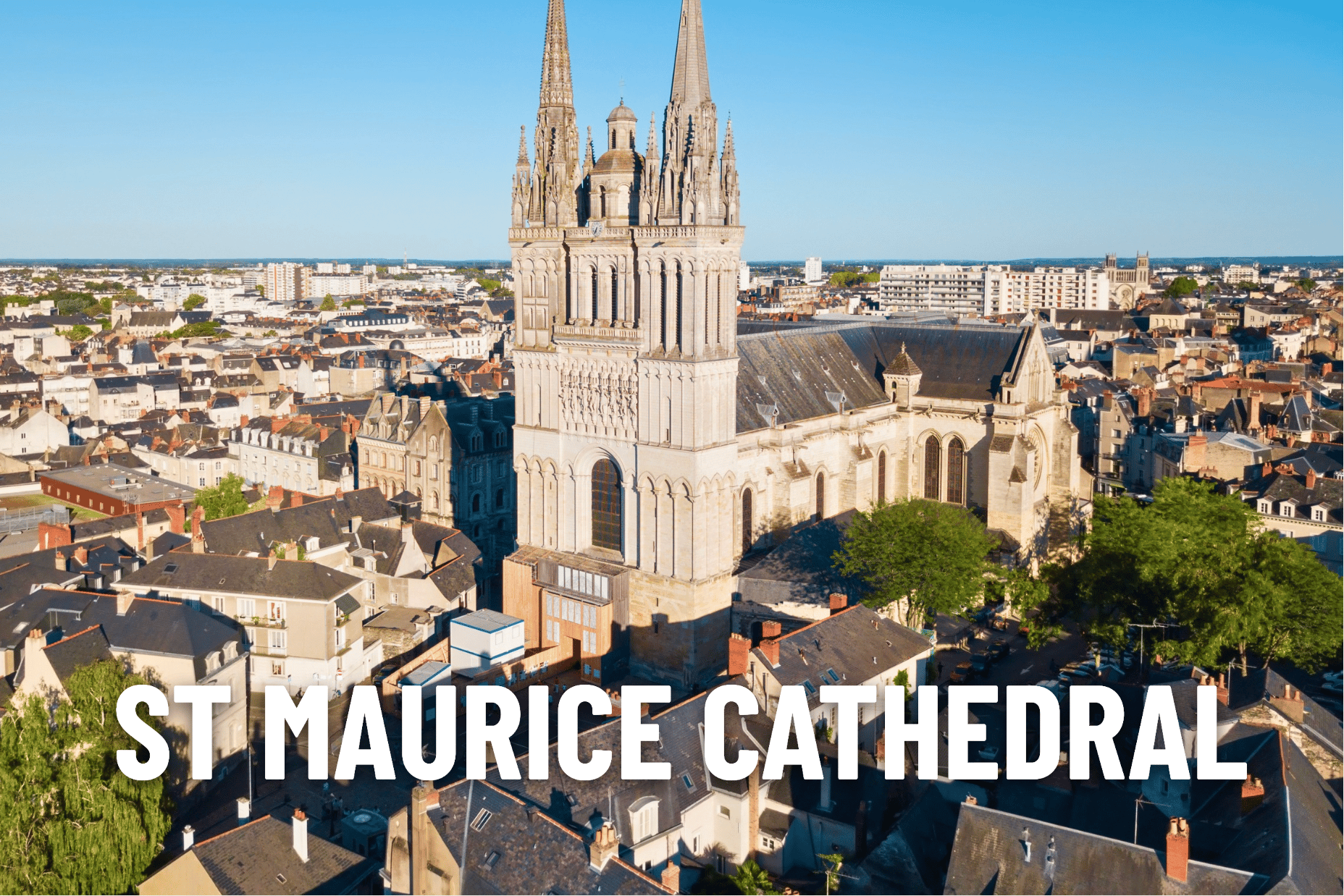
The Plantagenet dynasty started here. Eleanor of Aquitaine walked these streets. And inside the Château d'Angers — one of the most dramatic medieval fortresses in France — there is a tapestry.
Not a small tapestry. The Tenture de l'Apocalypse. Created in 1375. One hundred and forty-four meters long. Still — improbably, magnificently — intact. It is the largest medieval tapestry in the world, and most Americans have never heard of it. Which is, honestly, part of the appeal of Angers.
Angers is the capital of Maine-et-Loire, in the Pays de la Loire region. Population around 155,000 — large enough for real infrastructure (CHU teaching hospital, university, tram), small enough to feel manageable. It's also consistently ranked among the most liveable cities in France, not by me, but by the French people who actually live there.
The TGV takes 90 minutes from Gare d'Angers Saint-Laud to Paris Montparnasse. Direct. Nantes is 40 minutes west. Tours is 45 minutes east. You're in the middle of Loire Valley connectivity, with options in every direction.
Landmarks & local flavor:
The château and its tapestry are the obvious starting point — but the medieval quarter across the Maine river is where you'll want to spend a Saturday morning. The Quartier de la Doutre has half-timbered houses, independent restaurants, and a farmers market that feels like it belongs to a different century. (It more or less does.)
The covered market — Les Halles — runs Tuesday through Sunday in the city center. Local, busy, excellent. For a broader look at what's on and where to go, the Destination Angers tourism site is a solid starting point.
|
Fast Facts
👥 Population: ~155,000 commune / ~280,000 agglomération
🚆 Train Station: Gare d'Angers Saint-Laud — 90 min to Paris Montparnasse (TGV direct)
✈️ Nearest Airport: Nantes Atlantique (~45 min by car)
🏥 Hospital: CHU d'Angers
🚶 Walkability: ⭐⭐⭐⭐⭐ (three tram lines; very walkable historic center)
🛒 Markets: Tuesday–Sunday Les Halles; Saturday Doutre district farmers market
☀️ Climate: Atlantic-mild — warm summers, mild winters; Loire Valley morning mist in autumn (it's lovely)
|
Get outside:
The Loire à Vélo is one of the great cycling routes in France — 900 km from the Loire's source to the Atlantic. Angers sits in the middle of it. You don't have to do the full 900 km. You can do a 25-km loop to a château, stop for a tasting in Savennières (one of the Loire's finest white wine appellations), and be back in time for dinner.
Translation: retirement cycling here is different from retirement cycling elsewhere.
The GR3 hiking trail runs through the Loire Valley, linking châteaux, vineyards, and river overlooks for days at a time. The banks of the Maine river give you an easy walk from the old town, no gear required.
Accessibility + day-to-day vibe:
Three tram lines. Train station, hospital, university — covered. For a city this size, the network is impressive. The medical infrastructure is real: CHU d'Angers is a teaching hospital with strong specialist access. The city of Angers also runs a well-organized set of services and resources for new residents — worth bookmarking early.
Day-to-day life here is easy in the best sense of the word. This is a city that takes food seriously but doesn't make a performance of it. The local wine — Anjou, Saumur, Savennières — is excellent and reasonably priced because you're in the region.
Affordability:
Angers is genuinely affordable — possibly more so than its quality of life would suggest. Two-bedroom apartment in the center: €130,000–€200,000. Rent for a well-located two-bedroom: around €750–€1,100/month.
For a city with a tram, TGV access, a teaching hospital, Loire Valley cycling from the front door, and one of the great medieval museums in Europe — those numbers are hard to argue with.
|
|
|
|
📜 Taxes + Visa + Healthcare
How French Healthcare Actually Works for American Retirees
"French healthcare sounds amazing, but I can't use it. I'm not French."
This might be the most common misconception I encounter. And it's wrong. As an American retiree living legally in France, you can access the French public healthcare system — one of the best in the world. Here's how.
The system is called PUMA — Protection Universelle Maladie. Since 2016, it covers virtually everyone who is legally resident in France, regardless of employment status or nationality. You don't need to be French. You don't need to be working.
|
"Can I really access French healthcare as a non-EU American retiree?"
Answer: Yes — after 3 months of legal residency.
Register through your local CPAM (Caisse Primaire d'Assurance Maladie)
|
Your long-stay visa (VLS-TS) allows you to legally reside in France. After three months, you can register with your local CPAM. The process takes a few months after registration — there's paperwork, there's waiting — but once you're in, you have access to French doctors, specialists, hospitals, and prescriptions at French prices.
PUMA covers about 70% of most medical costs. A mutuelle (supplemental insurance) covers most of the rest — and mutuelles in France are far more affordable than US supplemental plans. Many retirees end up with near-zero out-of-pocket medical costs.
One thing worth flagging: in 2025, France passed legislation introducing a new healthcare access fee for non-EU residents who want to use the PUMA system. The exact amount hasn't been published yet — it's expected to be announced in 2026. We don't know yet whether it's a flat fee, income-scaled, or something else. I'll cover the details in a future issue once the numbers are confirmed.
This is general information, not legal or healthcare advice. The specifics vary by individual situation.
|
|
|
|
📺 France Must-Watch
Découverte : Angers, la ville où il fait bon vivre !
Météo à la carte — France Télévisions

This one is a little different — it's from French public television, not an expat channel. Météo à la carte does destination features for a French audience, which means you're seeing Angers through local eyes: the markets, the lifestyle, the riverbanks, the rhythm of the city. My French isn't perfect but yours doesn't need to be either — the visuals alone are worth it.
→ Watch Now
|
|
|
|
🏡 Real Estate Spotlight
€1,100/month (~$1,280) — Furnished 2BR, Saint-Serge Quarter, Angers
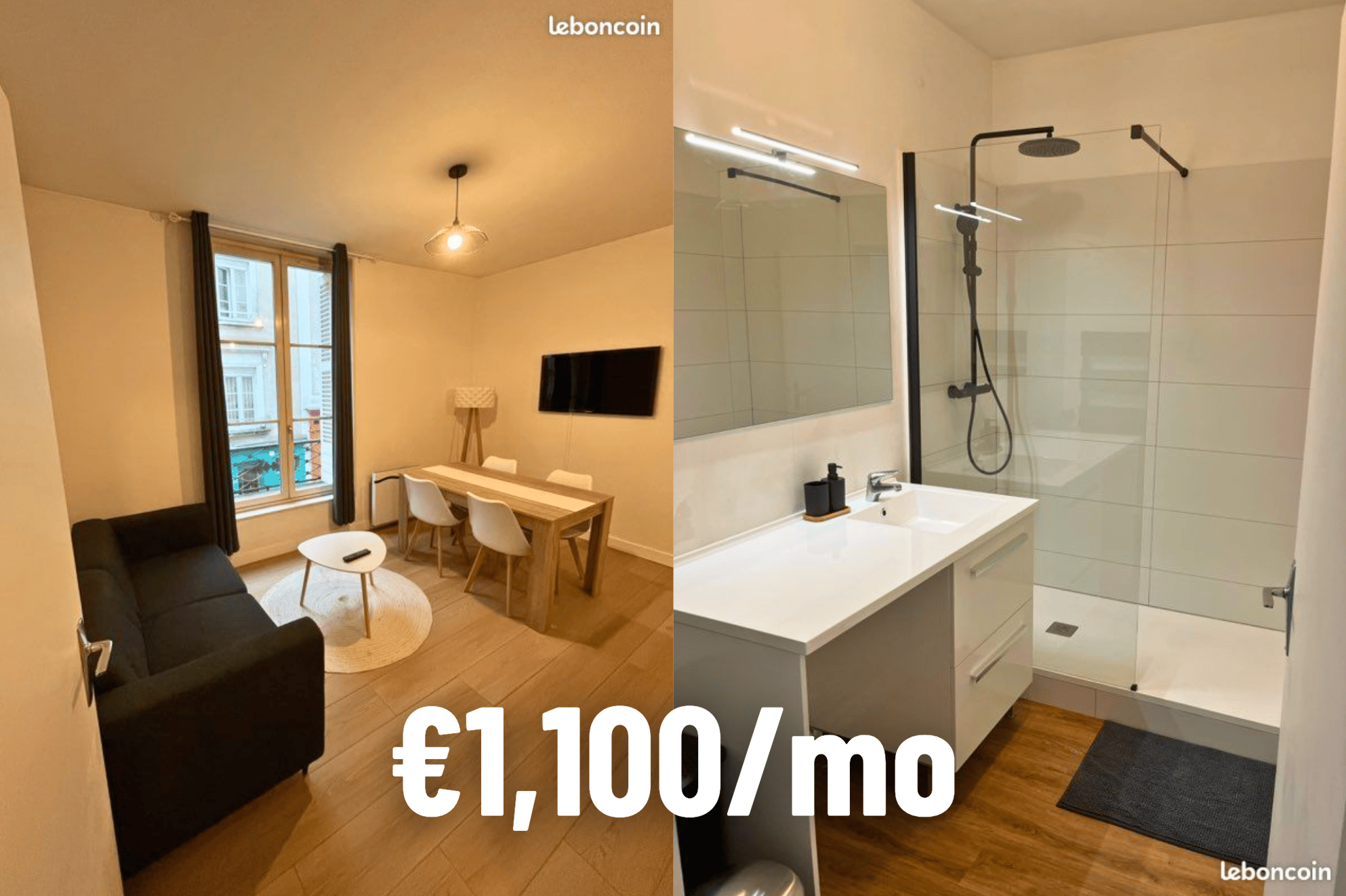
This one is in a classic immeuble en pierre de taille — the cut-stone buildings that give Angers its distinctive look. 53 square meters, fully furnished and equipped, two bedrooms, high ceilings, new parquet floors in the living room. The bathroom was renovated in November 2024. All three tram lines are within a five-minute walk.
Saint-Serge is a residential neighborhood north of the city center — quiet, well-connected, and within easy reach of the university and the Maine river path. At €1,100/month charges included (electricity extra), this is the kind of apartment that lets you arrive, unpack, and start living — not the kind that requires a six-month IKEA project first.
→ View Property Details
|
|
|
|
“
Happy who, like Ulysses, has made a fine voyage... and has returned, full of experience and good sense, to live the rest of his days among his people.
— Joachim du Bellay, poet born in Anjou (1522)
|
|

|
That's it for this week. À bientôt,
Tommy
|
PS — Have you visited Angers? I'd love to hear your thoughts. Hit Reply and tell me what you saw, what you loved, or what surprised you.
|
|