|
📍 Hidden Gem
Pau, Nouvelle-Aquitaine
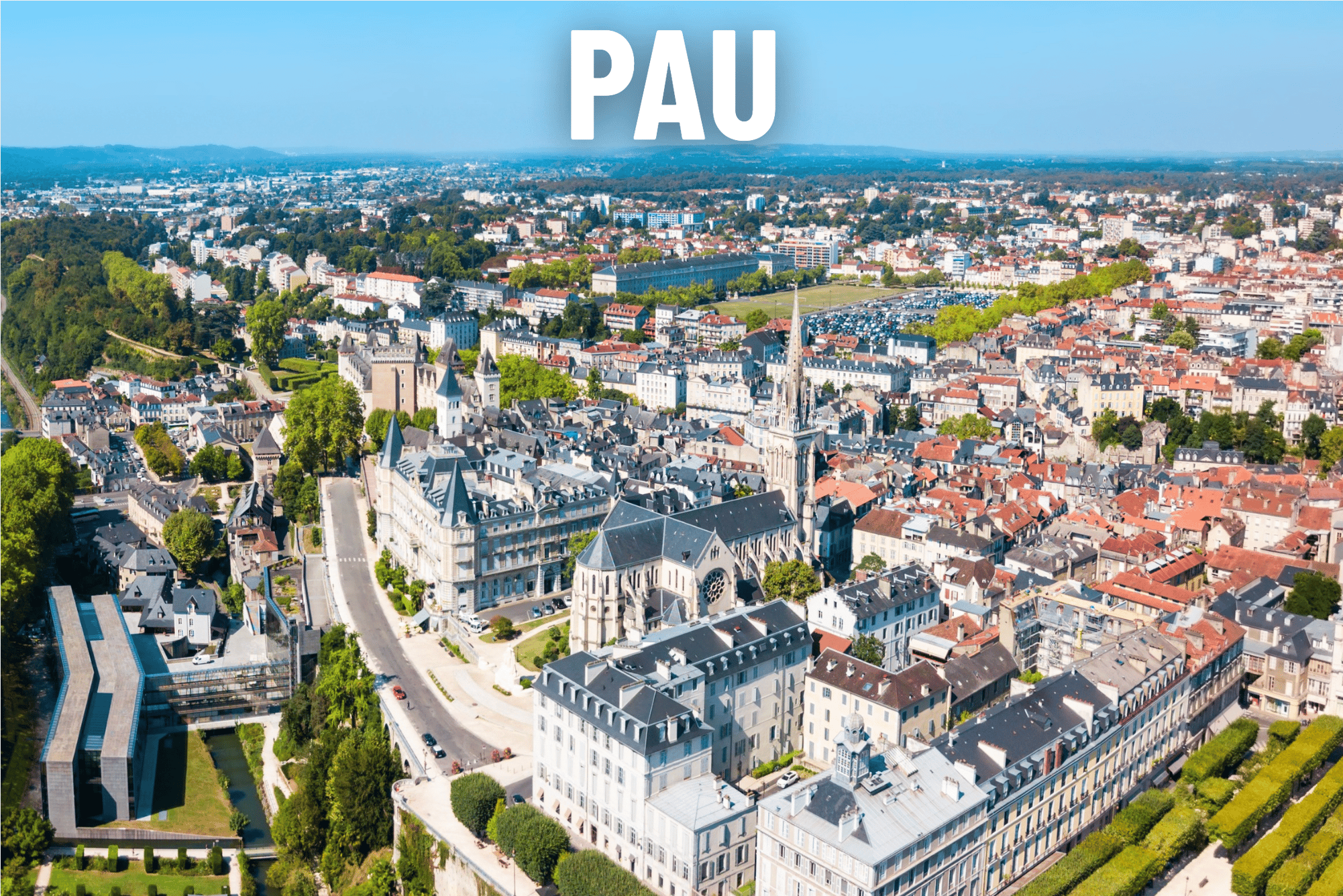
Sometime in the 1840s, a group of British aristocrats discovered Pau and decided it was perhaps the finest winter resort in Europe.
They built villas. They built a fox hunt. They built the first golf course on continental European soil — the Golf de Pau, which has been running continuously since 1856 and is still very much in operation today. (Yes, really.)
The French thought this was somewhat peculiar. The British didn't particularly care. They were standing on the Boulevard des Pyrénées, a mile-long promenade above the city, looking at a wall of snow-capped peaks that the poet Lamartine once called la plus belle vue de la terre — the most beautiful view on earth.
He wasn't wrong.
|
Fast Facts
👥 Population: ~85,000 commune / ~280,000 agglomération
🚆 Train Station: Gare de Pau — 1h40 to Bordeaux; ~4h15 to Paris (change at Bordeaux)
✈️ Nearest Airport: Pau Pyrénées (PAU) — ~20 min from center
🏥 Hospital: Centre Hospitalier de Pau
🚶 Walkability: ⭐⭐⭐⭐☆ (flat, compact center — market, château, shops all on foot)
🛒 Markets: Les Halles de Pau (daily, covered); outdoor market Wed & Sat mornings
🌤️ Climate: Atlantic temperate — mild winters, warm dry summers; Pyrenean panorama year-round
|
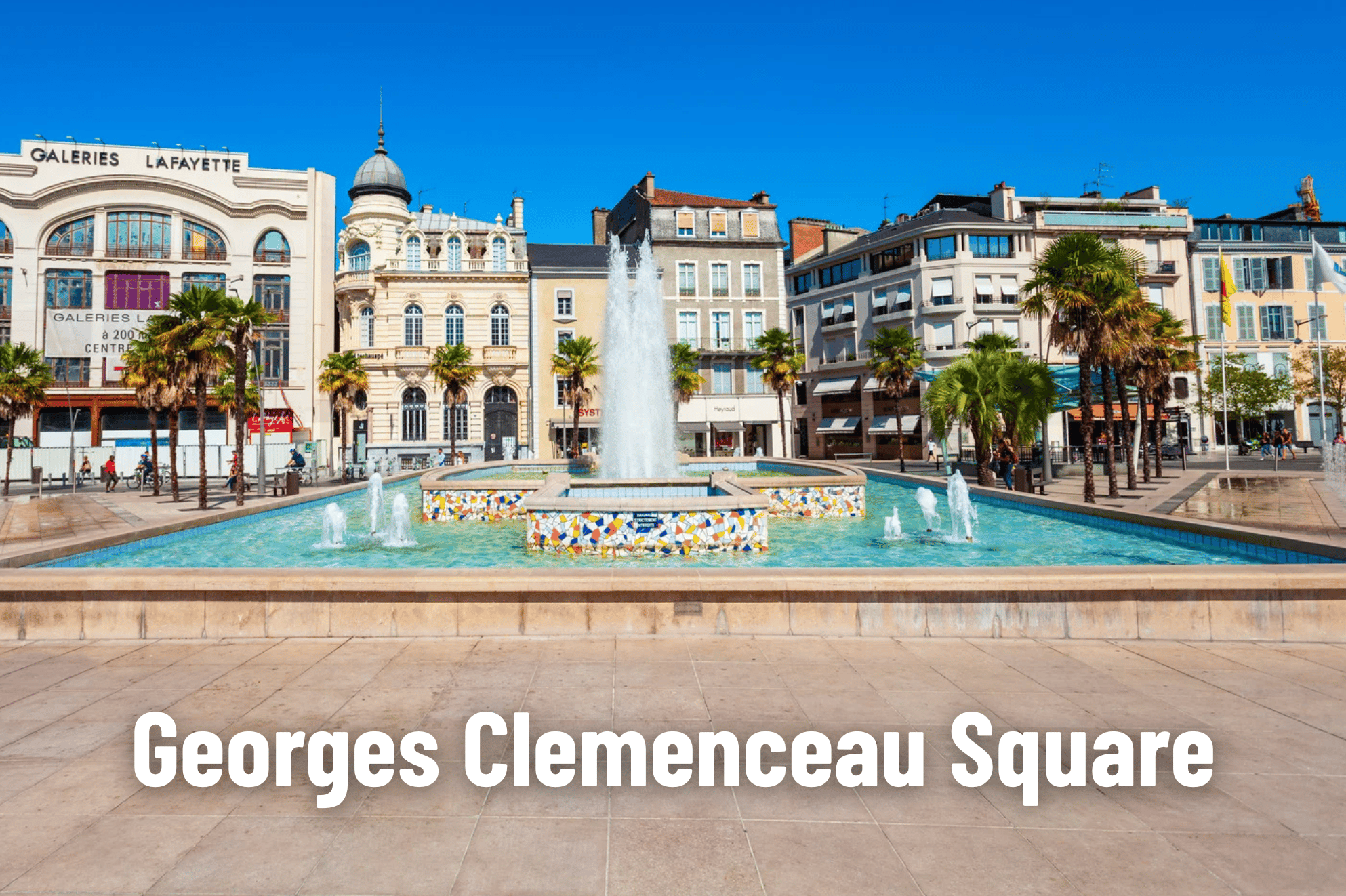
Landmarks & local flavor:
Pau is the birthplace of Henri IV — the most beloved king in French history — and the Château de Pau, right in the heart of the city, is where he entered the world in 1553. It's not a ruin. It's a living royal château, and you can walk through the actual rooms. The turtle-shell cradle he apparently slept in as an infant is still on display. (He later unified France, ended religious wars, and gave the world poule au pot. The cradle may have helped.)
The Boulevard des Pyrénées is the city's living room — a mile-long promenade built along the escarpment above the Gave valley, with cafés, benches, and a view of dozens of named Pyrenean peaks that hits you differently depending on the light. It's the kind of thing you walk along once and immediately start calculating whether you could afford to live here.
The Halles de Pau is the covered market — open daily, well-supplied, and the kind of place where you learn what season it actually is by what's on the tables.
Get outside:
The GR10 — the grande randonnée that runs the full length of the French Pyrenees from the Atlantic to the Mediterranean — uses Pau as a key access point. You don't have to hike the whole thing. But the foothills are less than an hour away, and even a half-day out gives you something most European cities can't offer at any price.
For cyclists, the flat path along the Gave de Pau river is an easy ride straight from the city center. More ambitious? Pau also connects to the Vélosud — a long-distance cycling route running from the Atlantic coast all the way to the Mediterranean. And if climbing is your thing: the Tour de France has passed through Pau more than almost any other city in France. The Col d'Aubisque is about an hour's drive from the center — and considerably longer by pedal, if that's your version of a good afternoon.
The Parc National des Pyrénées is right on the doorstep — 45,700 hectares of protected mountain wilderness, with ibex, golden eagles, and trails that go as hard or as gently as you want them to.
Accessibility + day-to-day vibe:
The Gare de Pau connects to Bordeaux in about 1 hour 40 minutes, and Paris is roughly 4 hours 15 minutes with a change at Bordeaux. Bayonne and the Basque coast are under an hour.
Pau Pyrénées Airport handles daily flights to Paris-Orly, with seasonal routes to London and other European cities. Small enough to feel civilized. Large enough to be genuinely useful.
The city center is compact, flat, and walkable — market, château, shops all on foot. It has the infrastructure of a real city (hospital, university, full services) without the pace of one. The Office de Tourisme is a good starting point for getting oriented before or during a scouting trip.
Affordability:
Pau is affordable by French standards and genuinely striking by American ones. Apartments in the centre-ville typically run €1,500–€2,500 per square meter to buy — so a 70 m² two-bedroom sits somewhere in the €100,000–€175,000 range. Larger family homes in the greater agglomération go for €200,000–€350,000.
The rental market is similarly well-priced. See the listing below for proof.
|